 Engineered Prints
Replace a missing piece
Show us the original part or the place where it needs to fit.
Replace a broken piece, personalize a gift, or print something you designed. Our local shop can help even if all you have is a photo.
Tell us about your project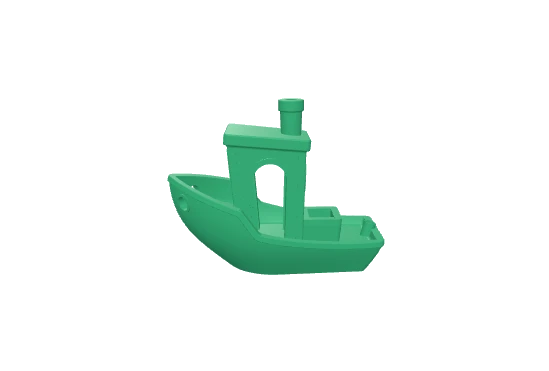
Upload one STL file to estimate the price of an FDM print.
Need design help or have another file format? Request a manual quote.
Show us the original part or the place where it needs to fit.
Start with a name, shape, or idea for a one-of-a-kind gift.
Have a 3D model already? Send it with the size and color you have in mind.
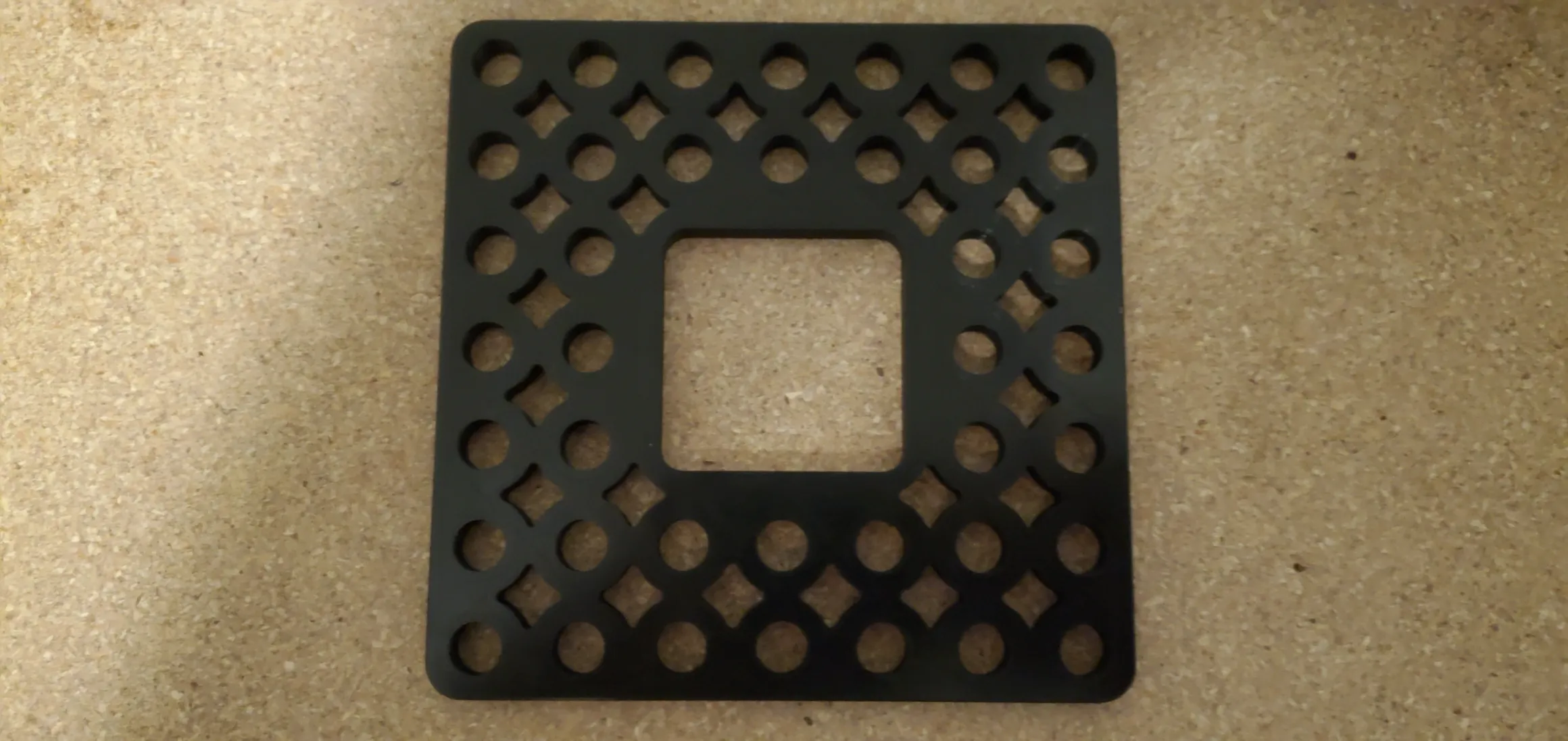
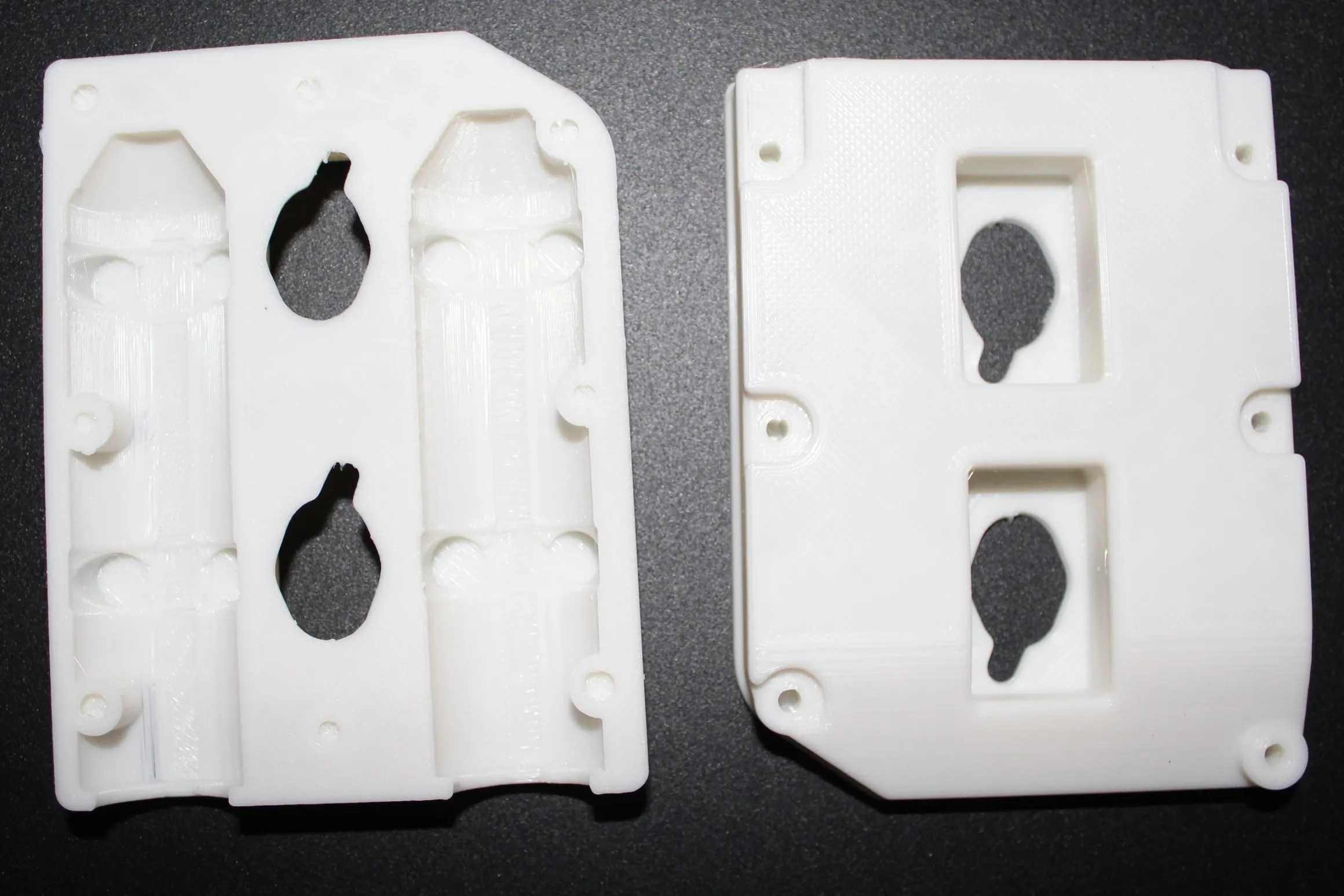
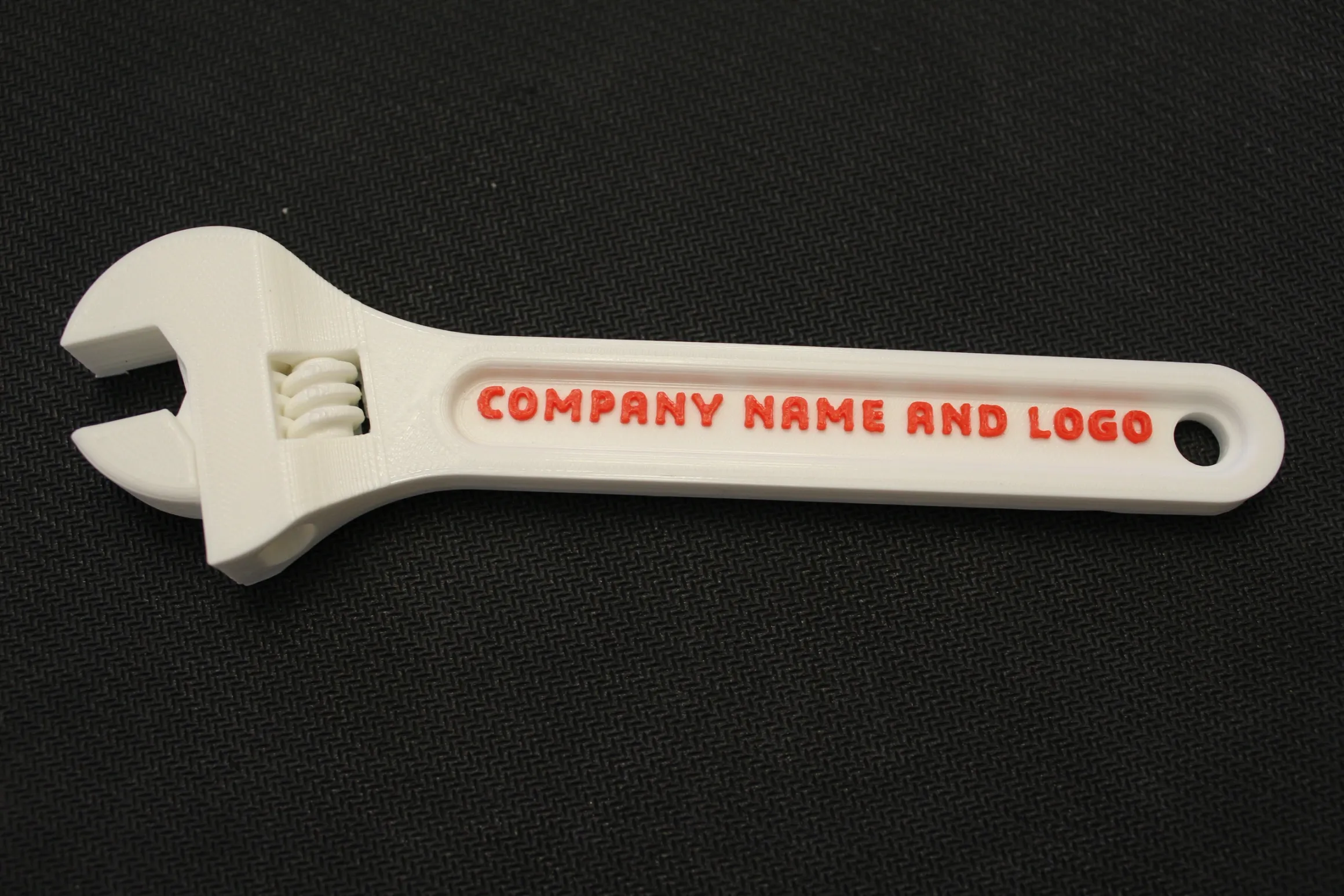
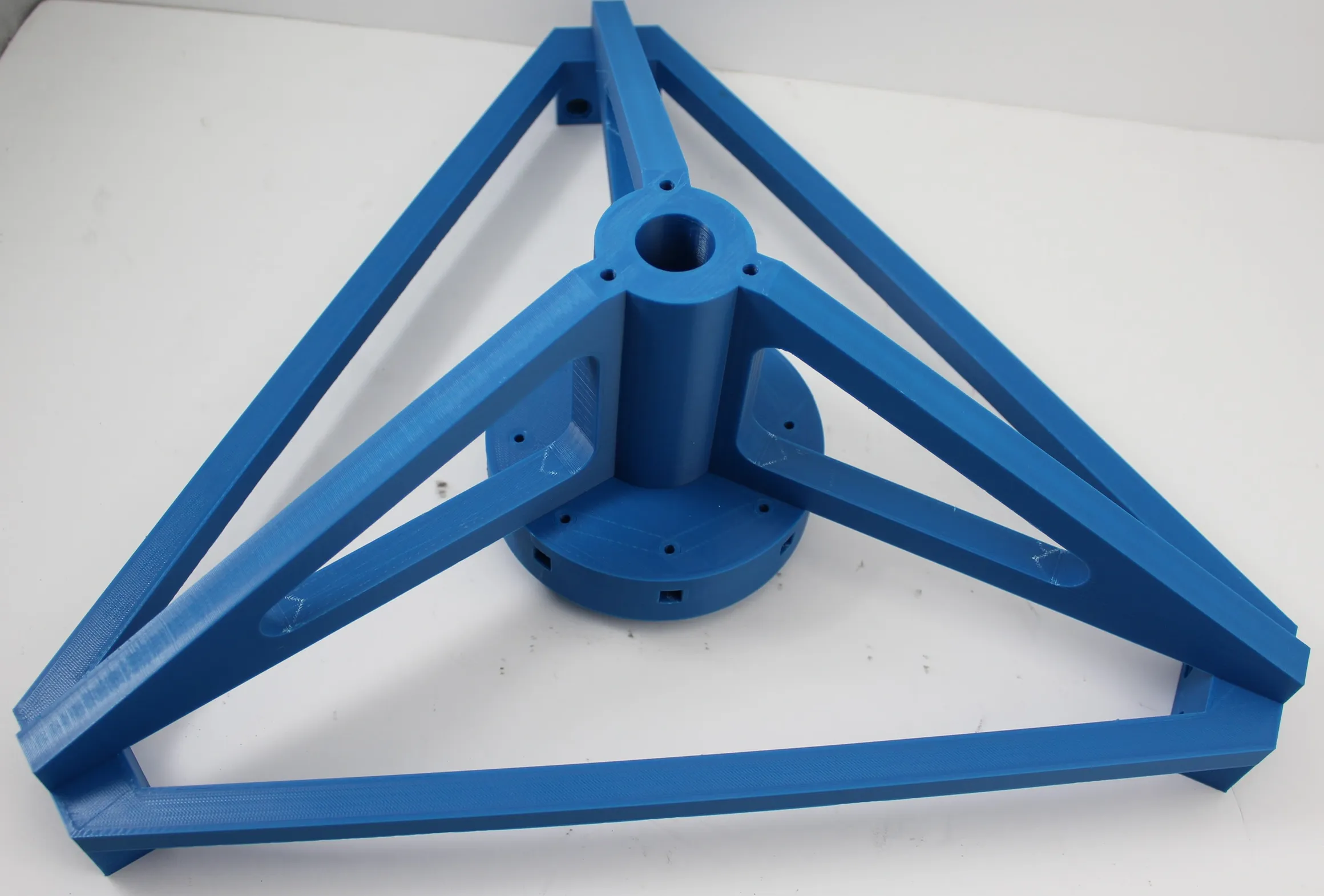
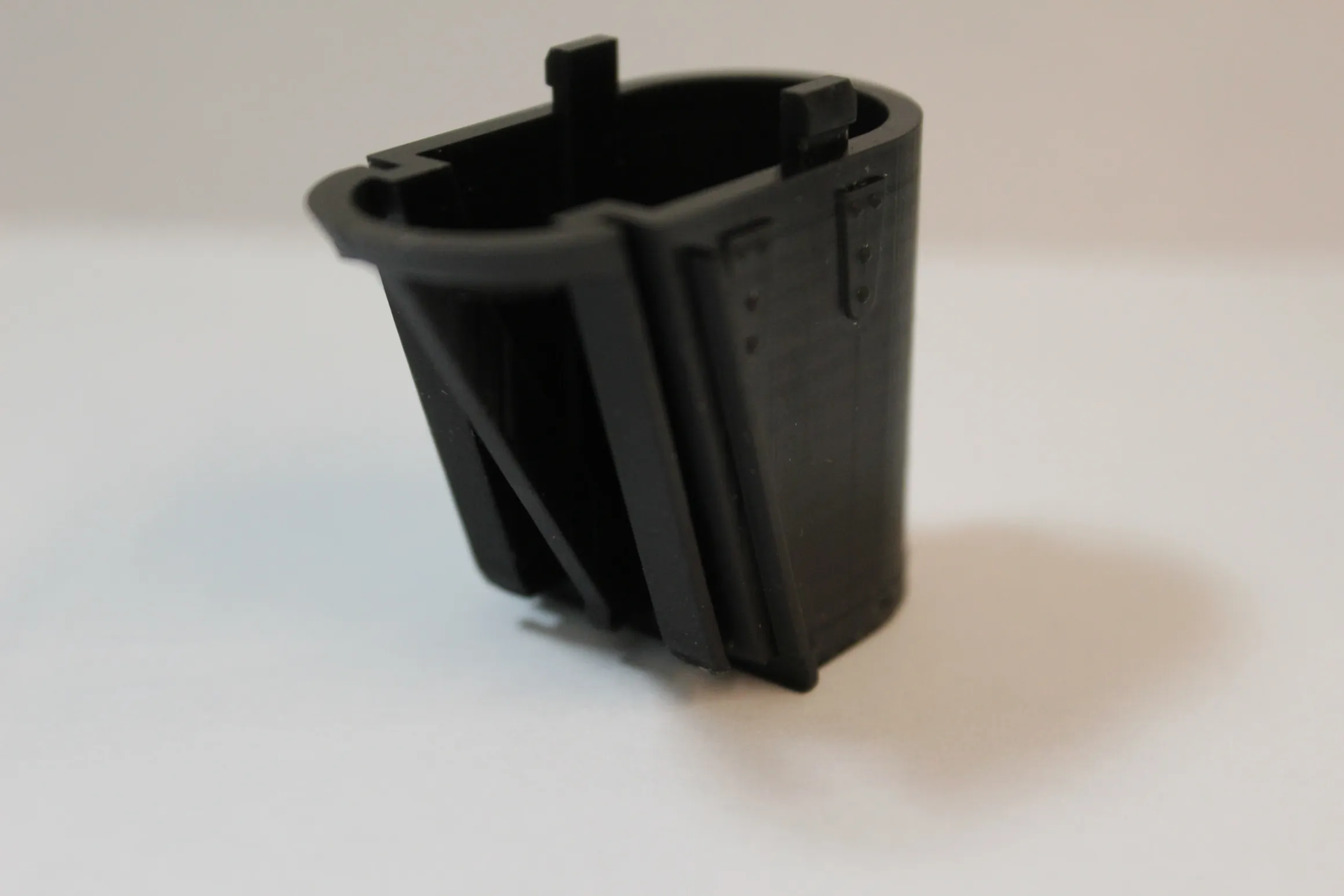
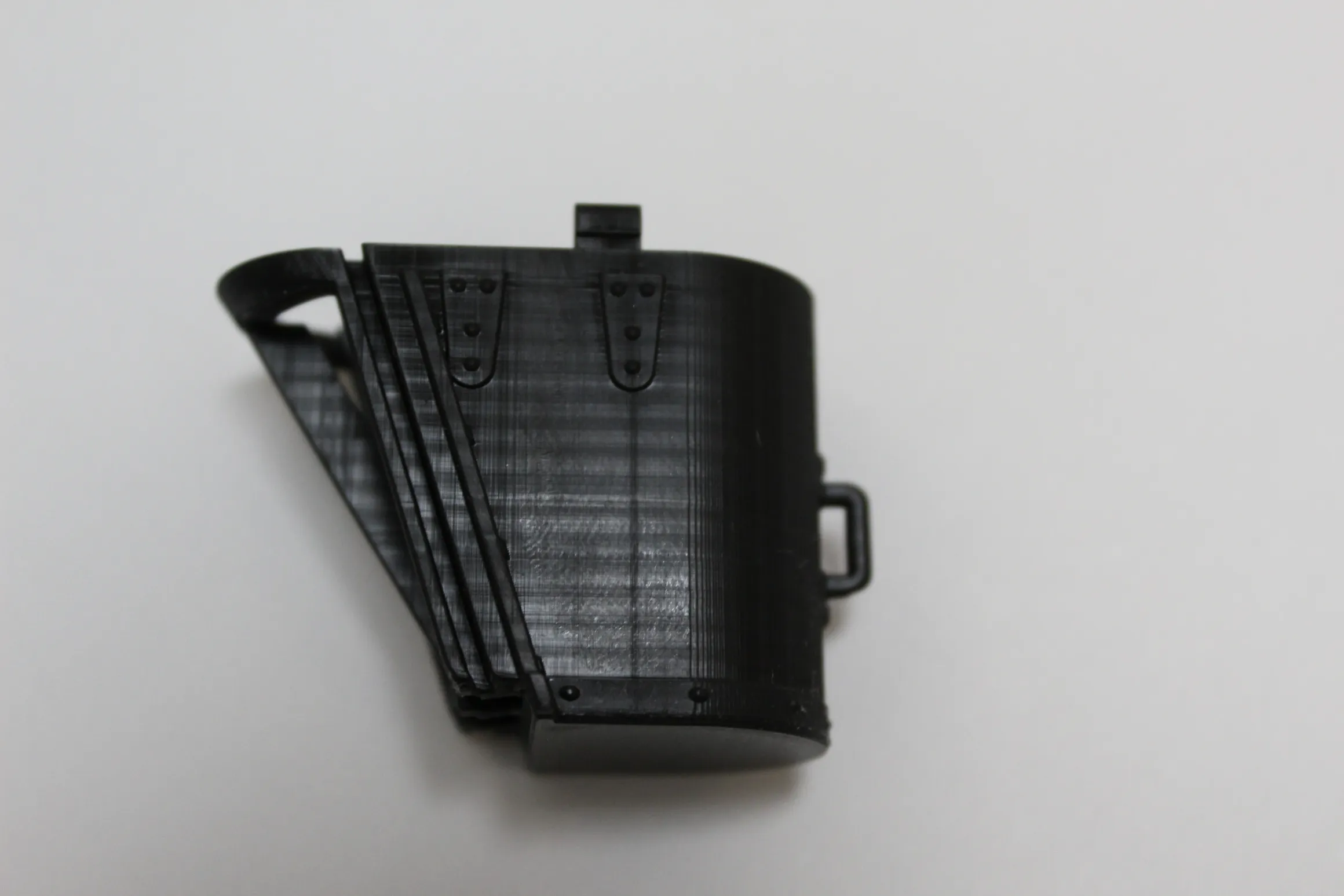
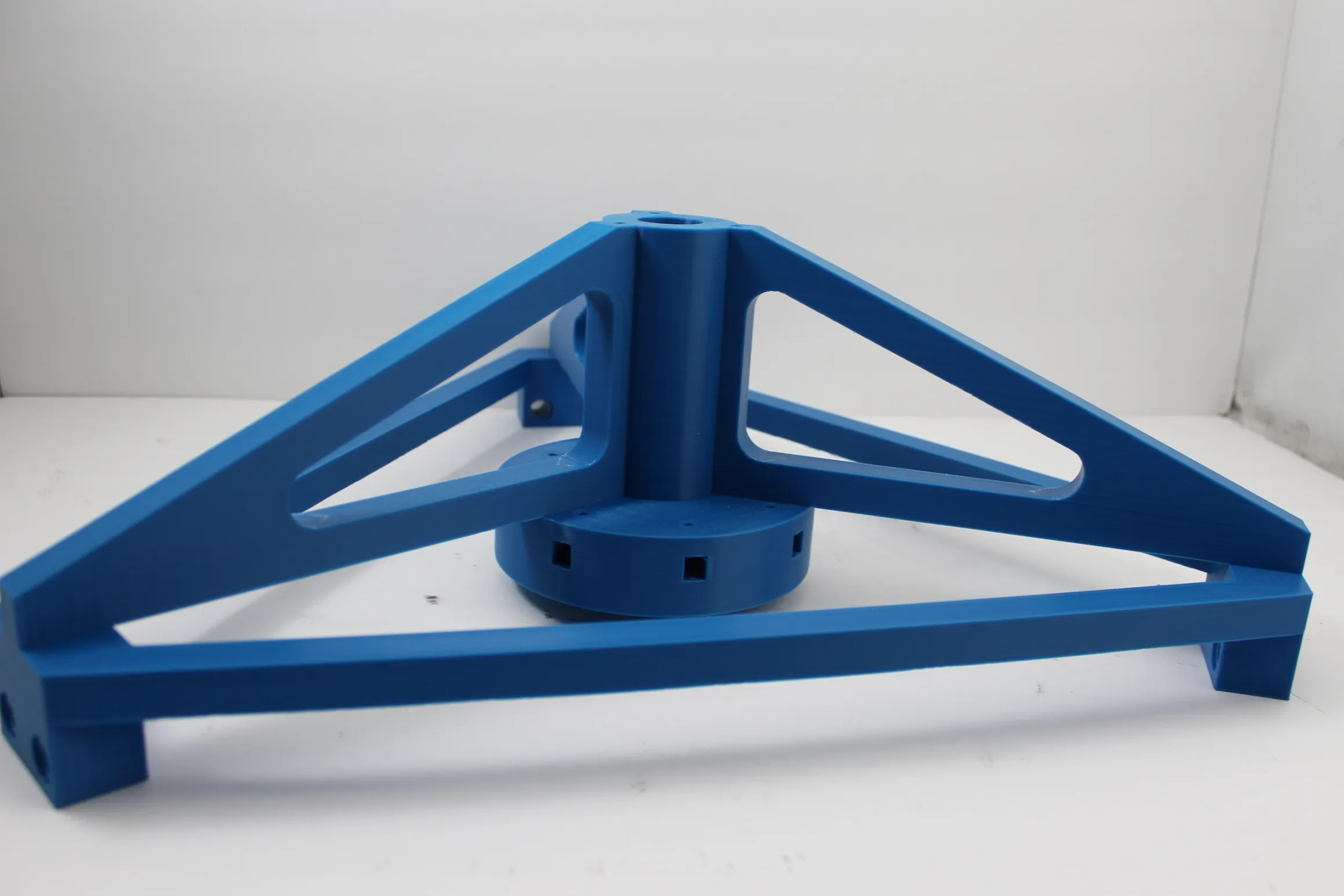
A sample of what has come off our build plates — prototypes, production parts, and the odd personal project.
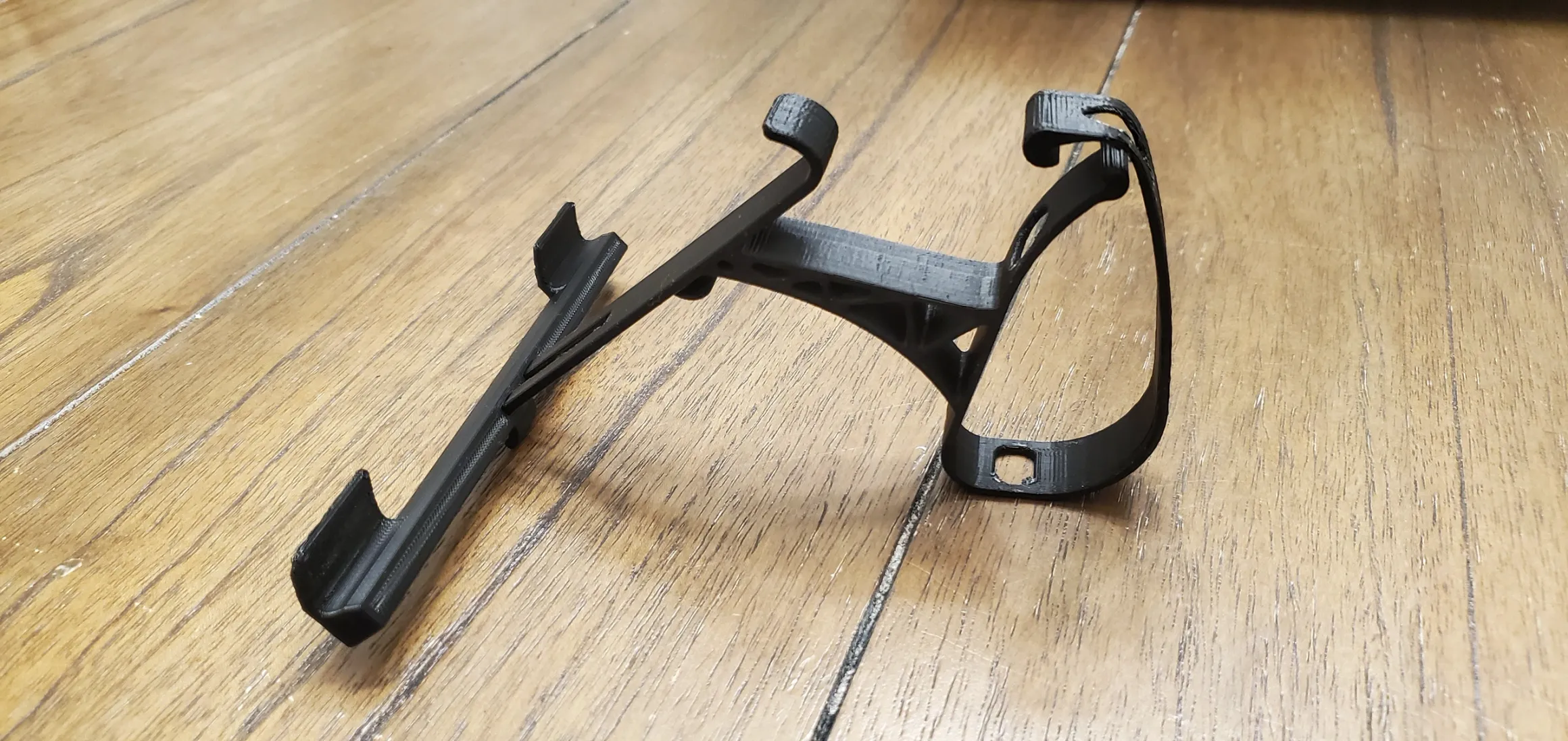
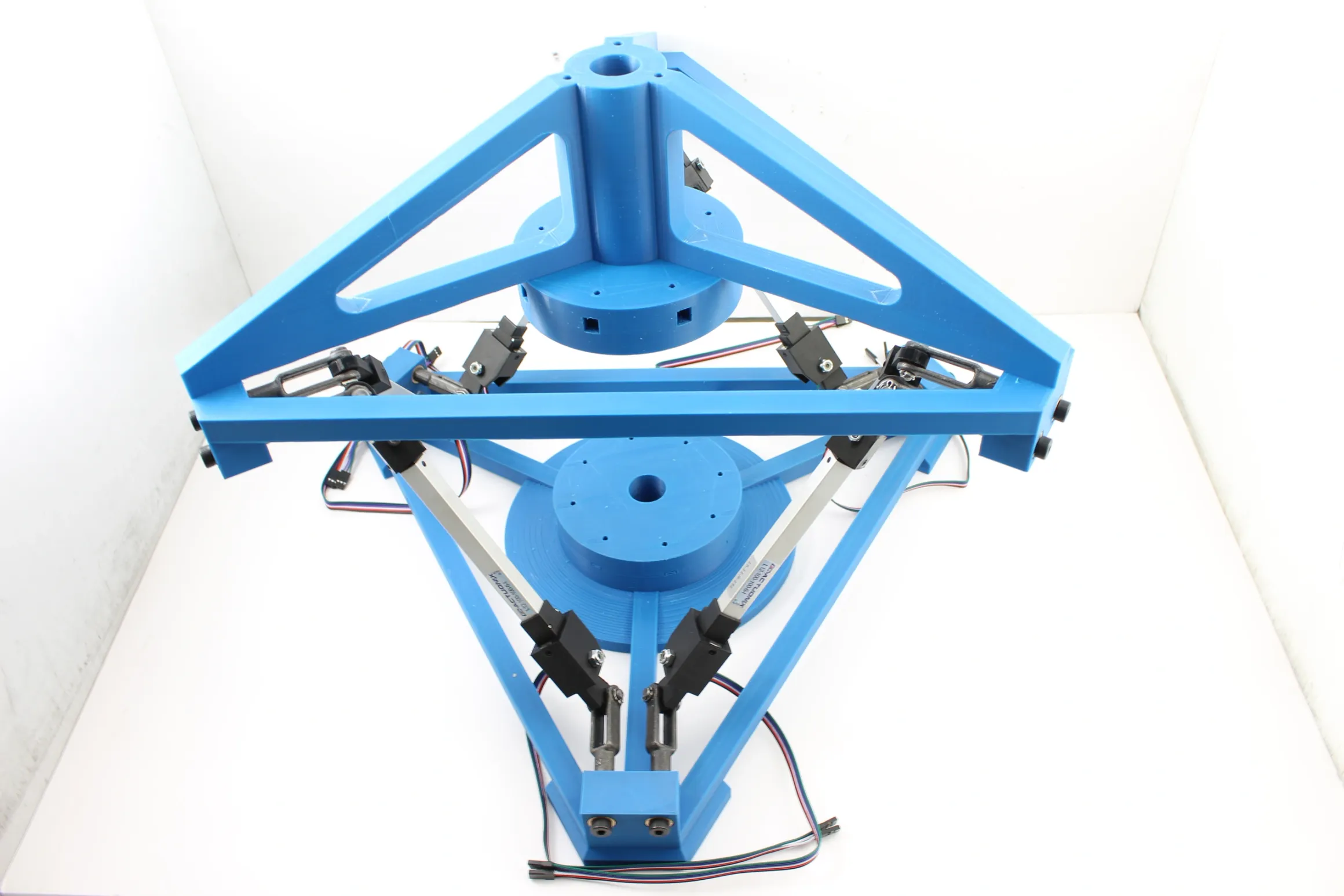
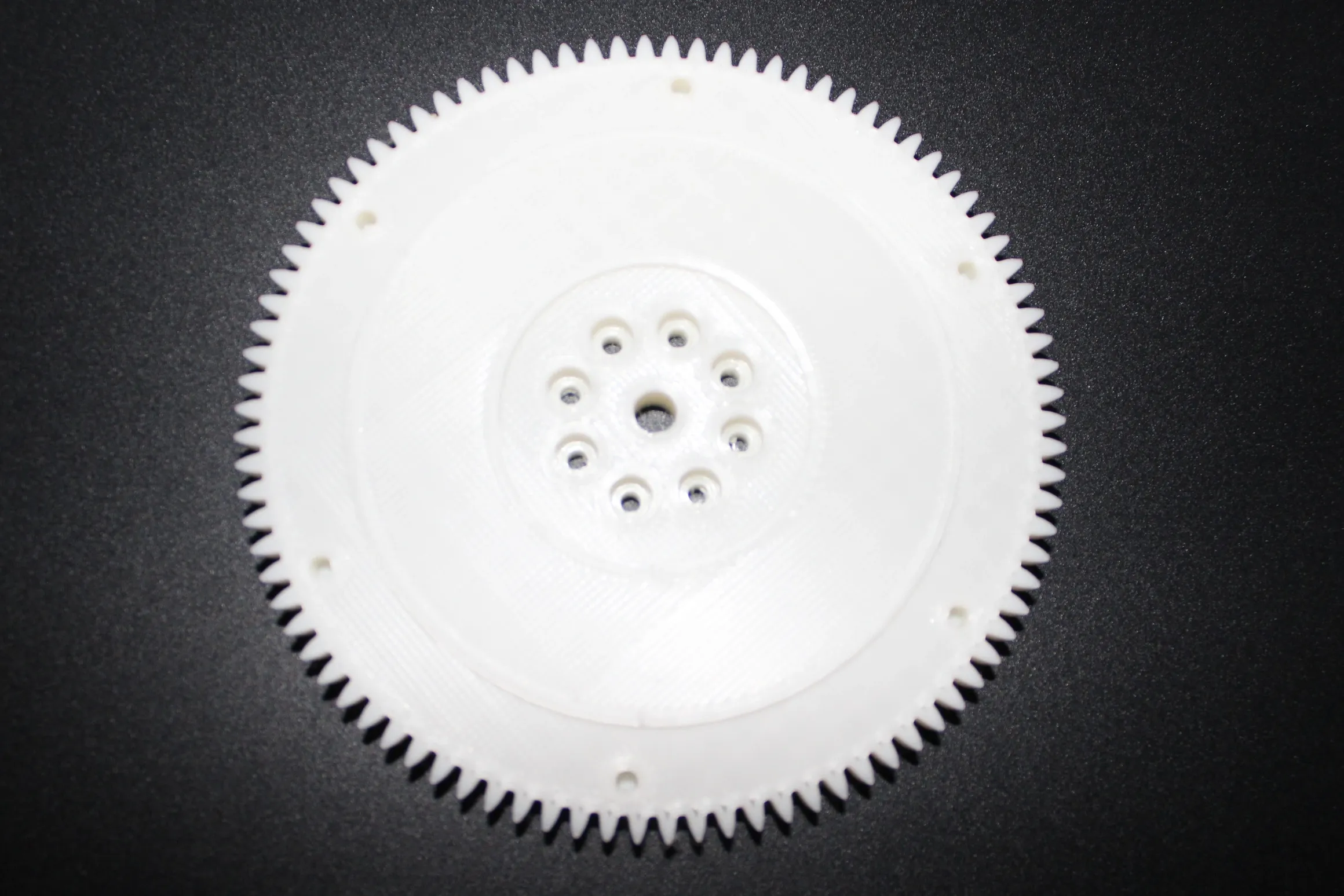
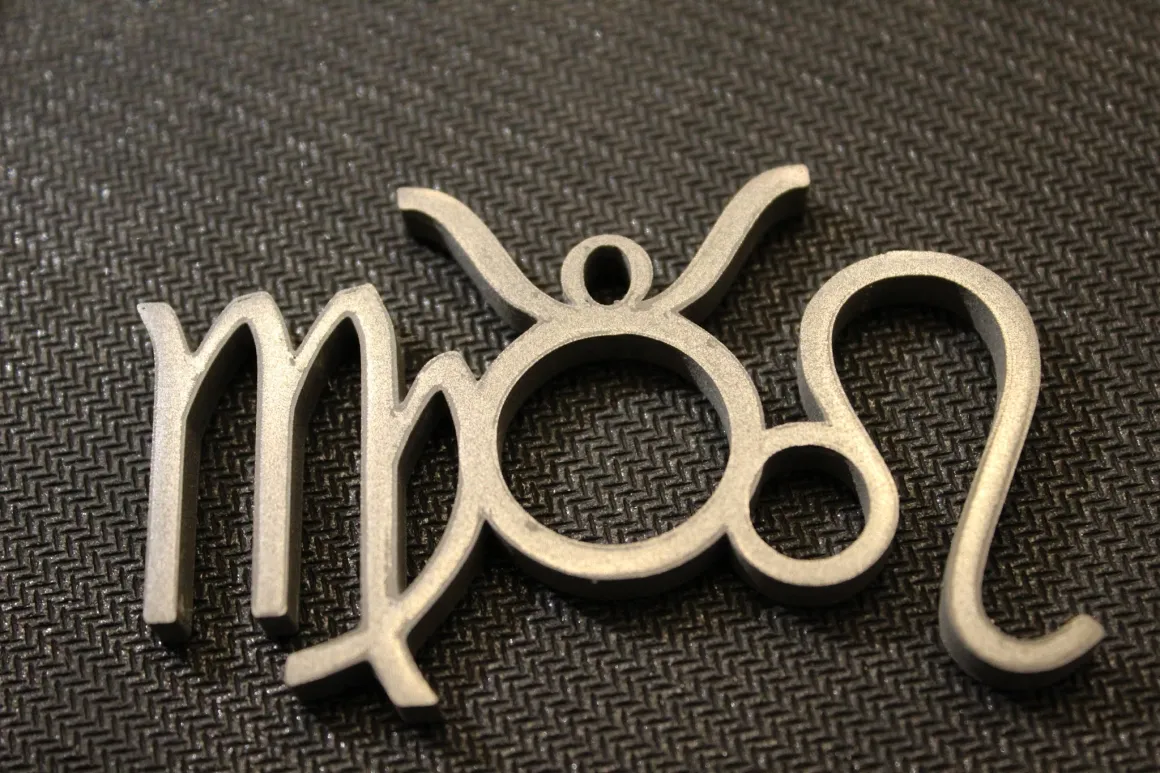
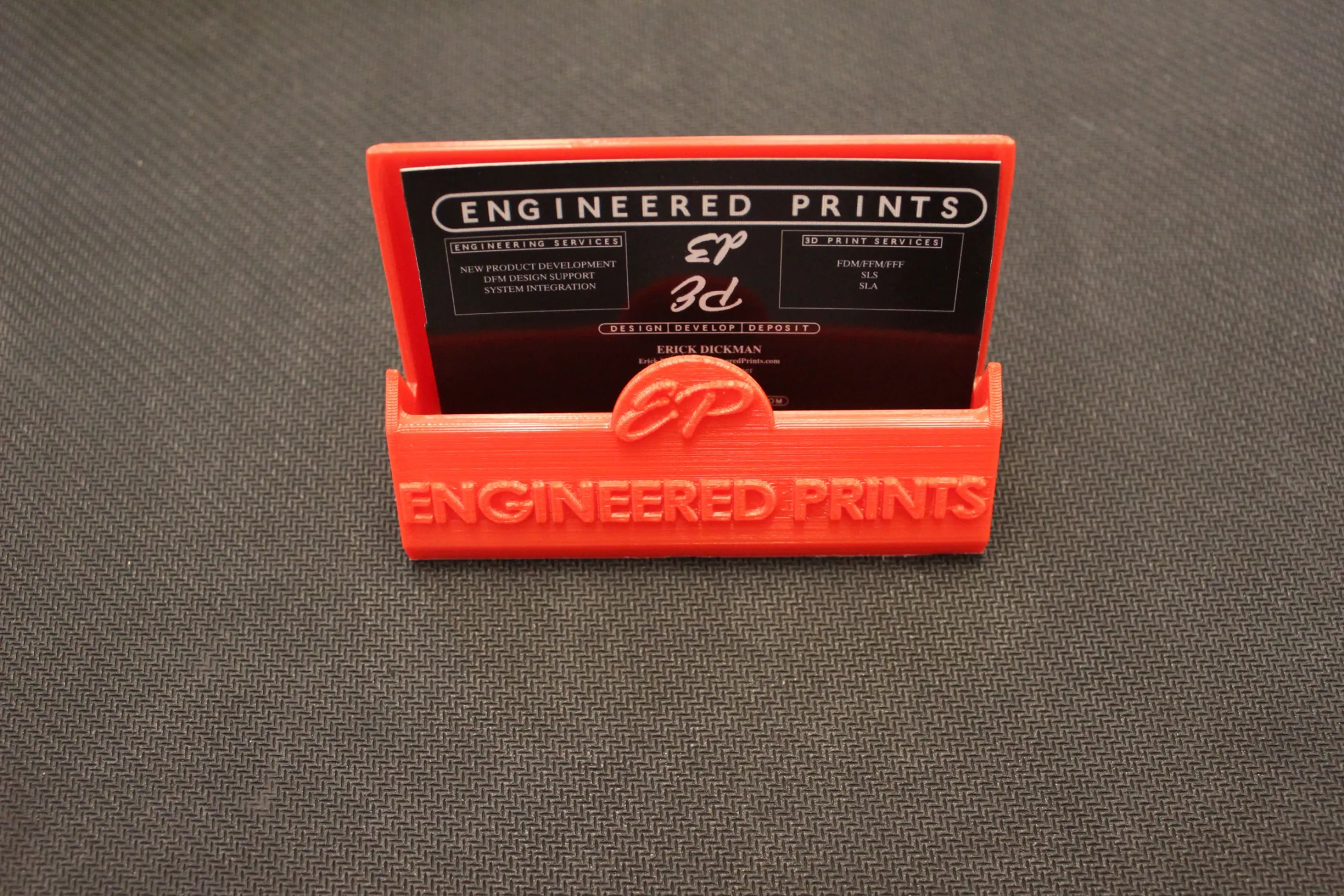
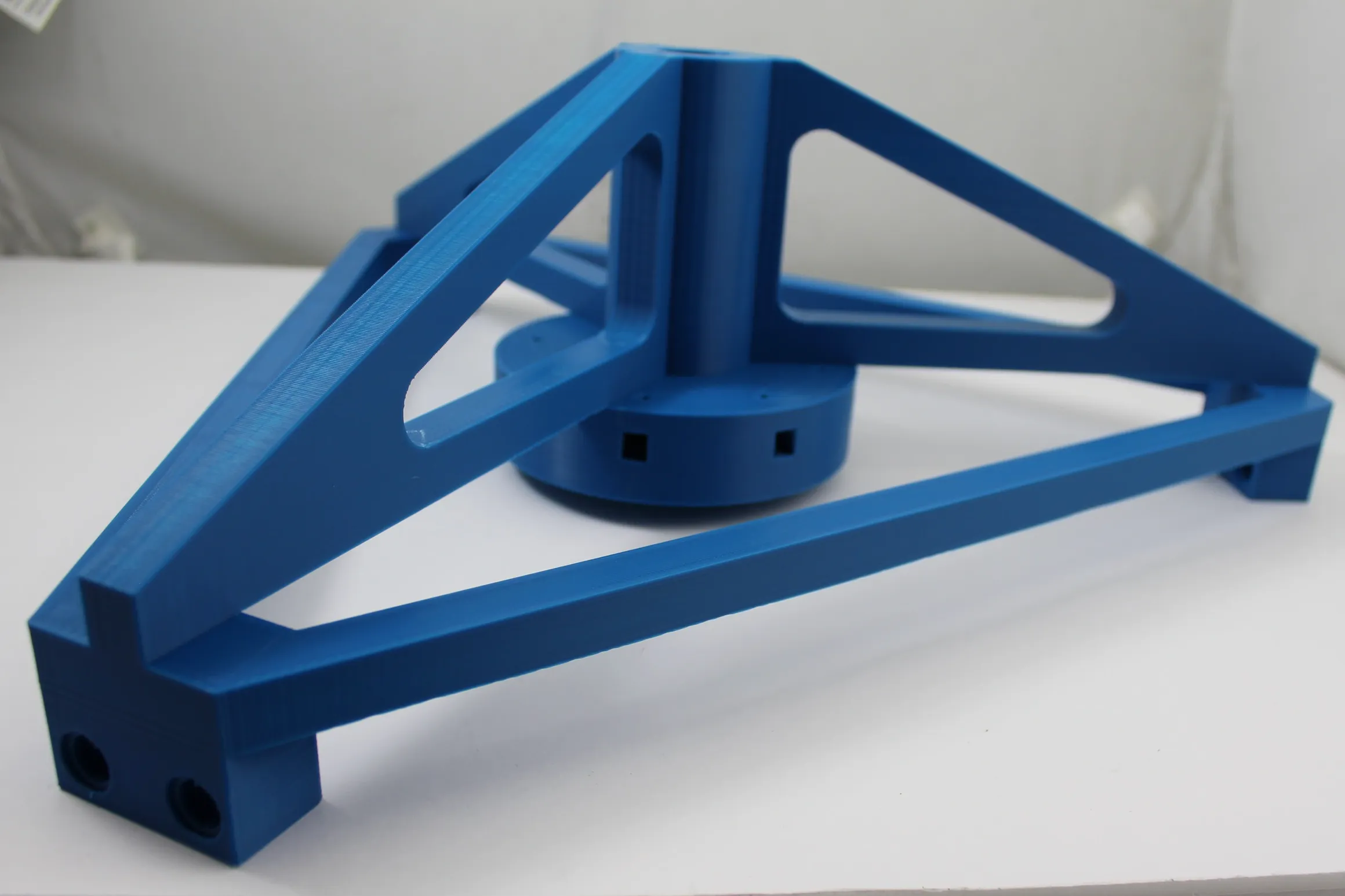
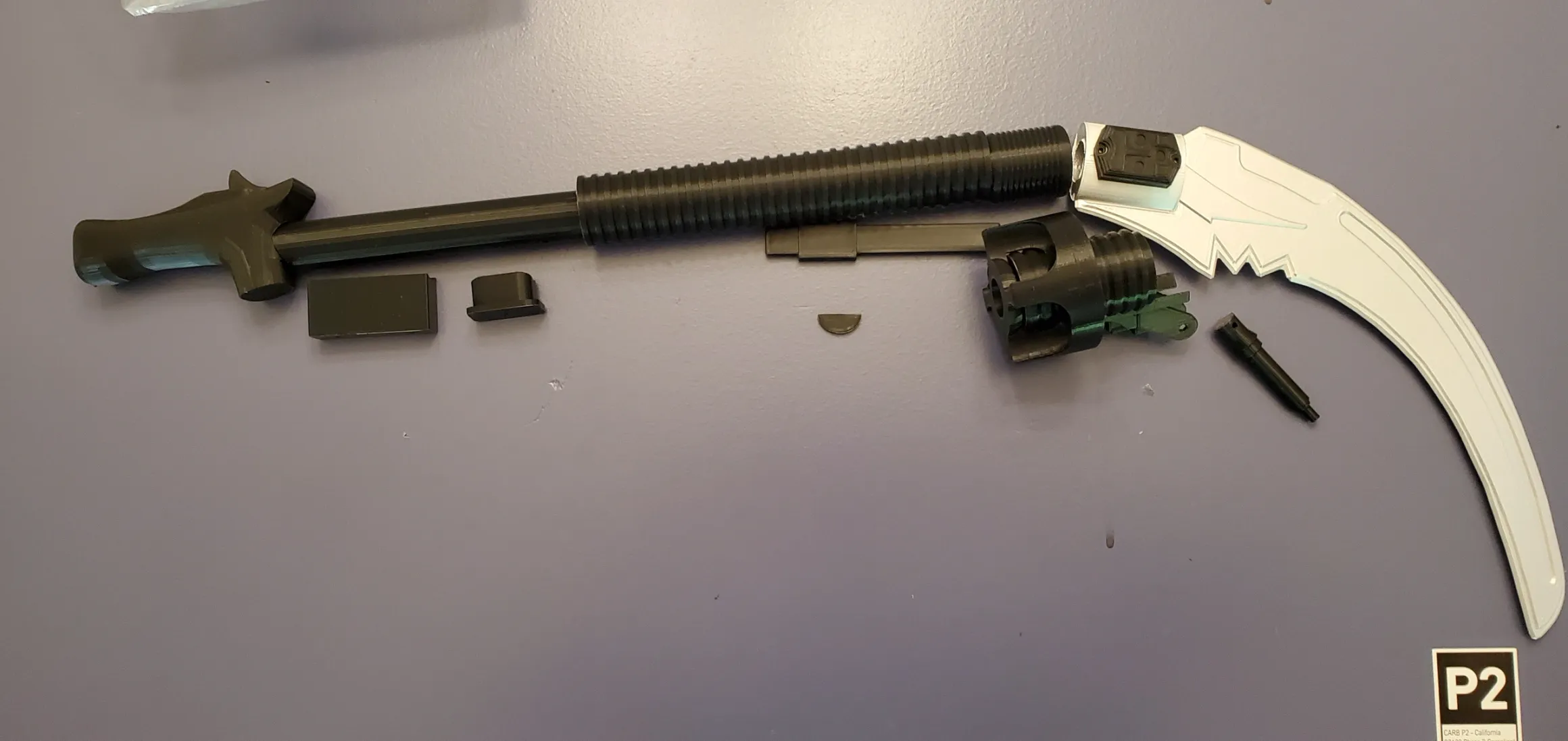
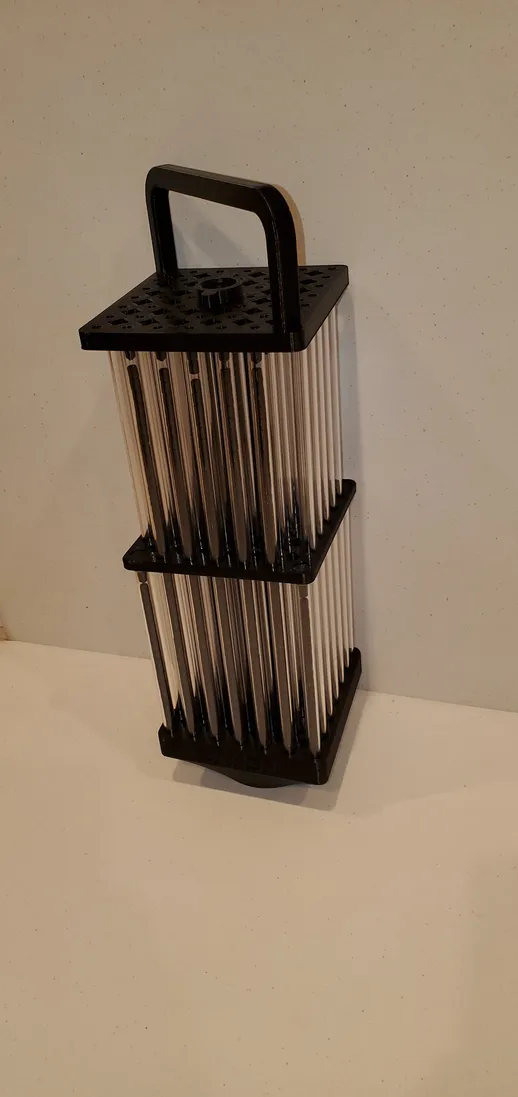
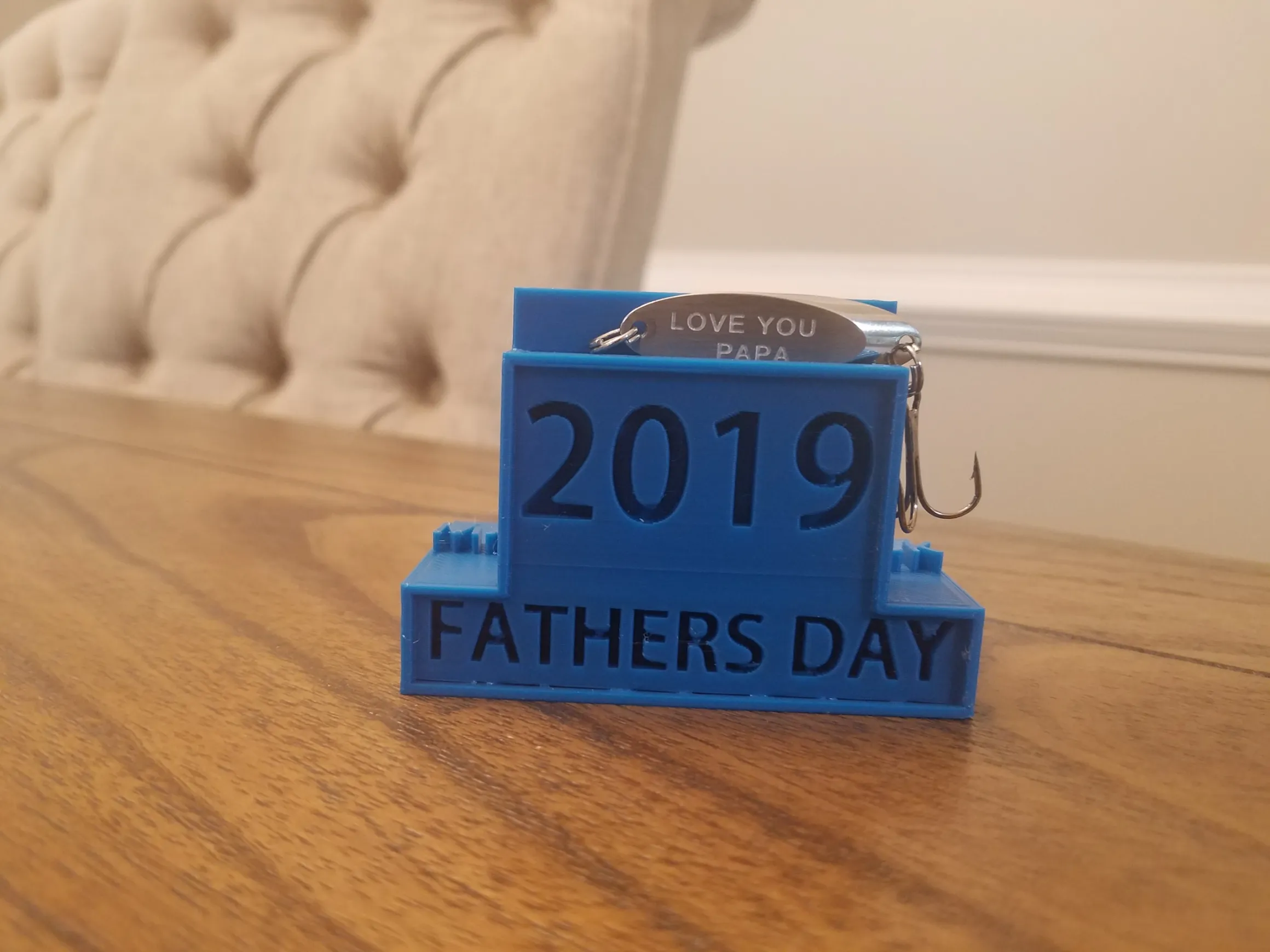
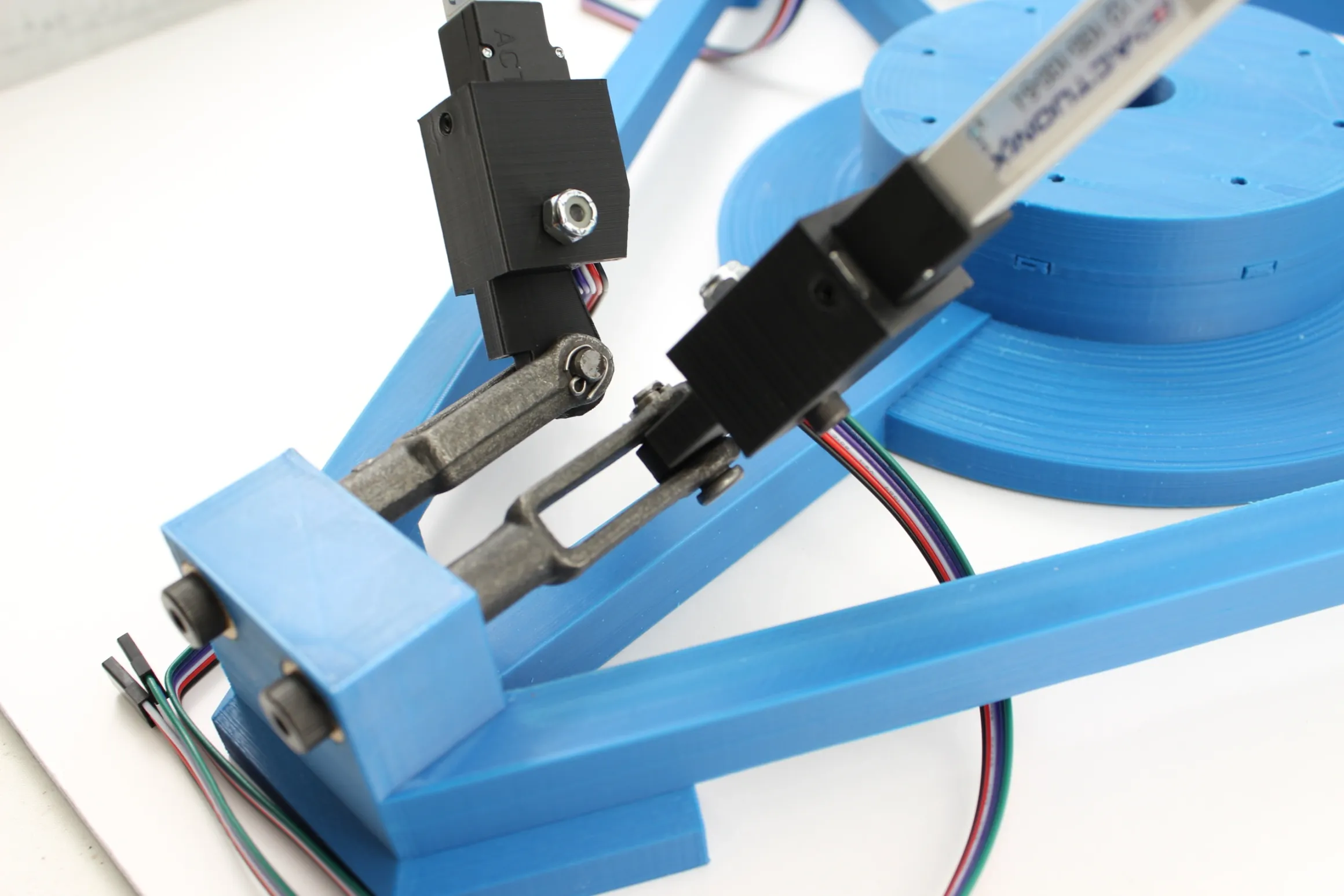
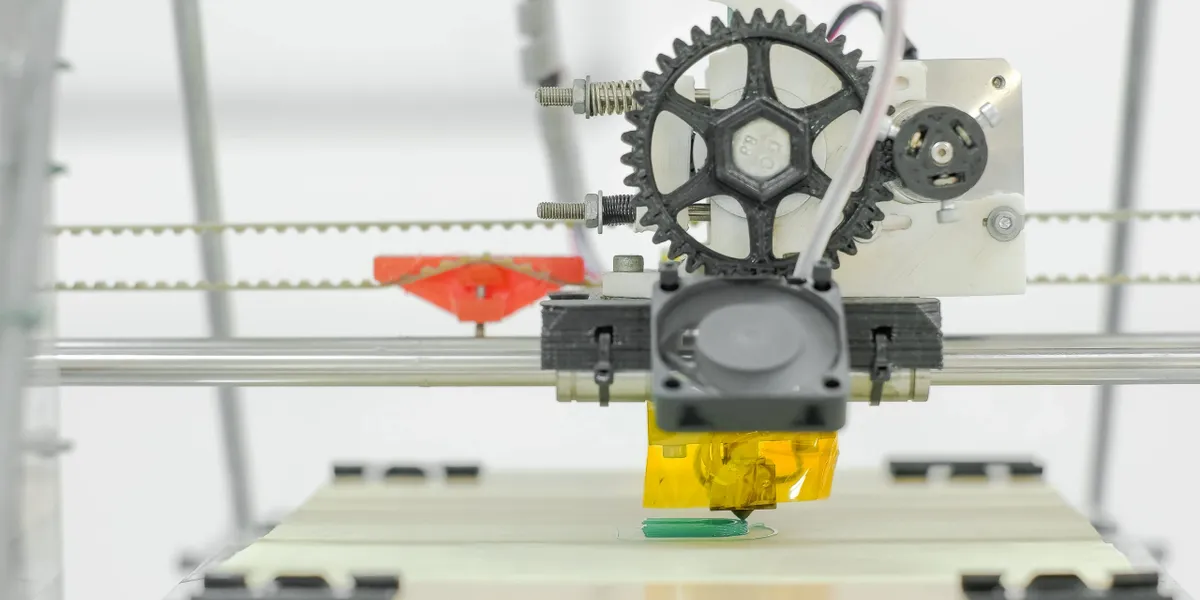
Our own ratings, published plainly, including where each process is weakest. If you are not sure which column you belong in, send the file and we will tell you.
Swipe sideways to compare all three processes
| Attribute | FDM / FFFFused Deposition ModelingProduction-grade thermoplastic, melted and extruded. The first choice for most prototyping, and the least expensive way to hold a real part. | SLS / SLM / DMLSSelective Laser Sintering & MeltingA laser fuses thermoplastic or metal powder. Mechanical properties sit closest to the base material, so these parts go into service, not onto a shelf. | SLA / DLPStereolithography & Digital Light ProcessingLight cures liquid photopolymer. The highest resolution and the finest surface we can produce — and the most brittle, so choose it for detail, not for abuse. |
|---|---|---|---|
| Resolution | |||
| Accuracy | |||
| Surface finishbefore post-processing | |||
| Durability | |||
| Cost1 = least expensive | |||
| Best for | Proof of concept, fit and form, general prototyping | Load-bearing and functional parts, custom manufacturing, intricate geometry | Patterns, molds, tooling, and anything needing very fine detail |
| Standard materials | ABS, PLA, and their blends — carbon fiber, wood-fill, co-polymers | Engineering thermoplastics — Nylon 11, Nylon 12, and composites | Standard, engineering, castable, dental, and bio-compatible resins |
| Typical layer height | 0.1–0.4 mm | 0.11 mm | 0.025–0.1 mm |
| Example work |
No model, no drawing, and the supplier stopped making it in 2004. Bring us the object instead. We scan parts from marble-sized up to car-sized and hand back clean, manufacturable geometry.
A working background in new product development, pointed at your project. We can lead the design, co-design alongside your team, review what you already have, or handle system integration.
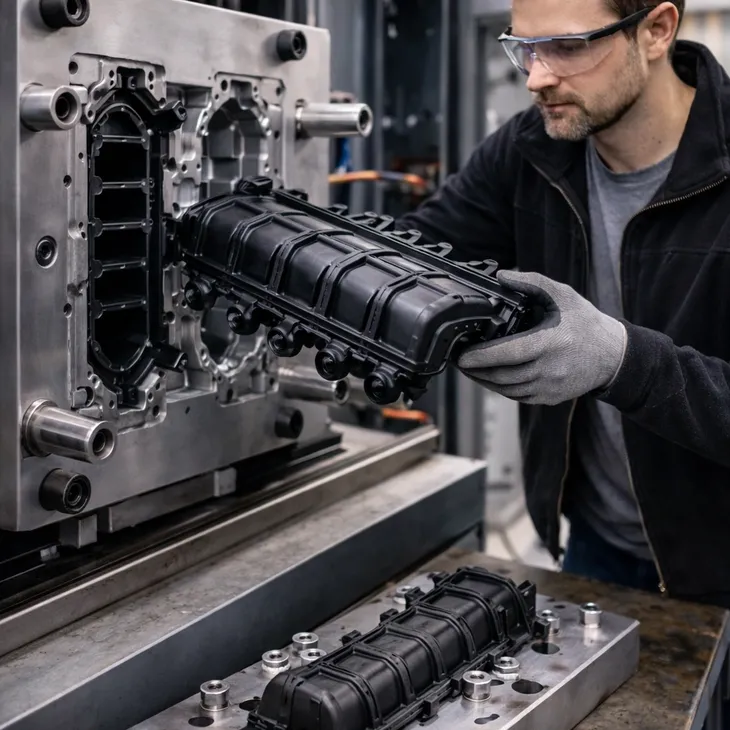
When additive is the wrong answer we quote the right one instead of talking you into a printer. Injection molding and metal stamping run alongside our printing capacity.
Your CAD model in whatever format you have it. No model at all? Photographs and a few measurements are enough to start — or send us the object and we will scan it.
One prototype or a production run. Whether it sits on a desk or takes load. If you do not know the material yet, say so — picking it is our job.
Tell us the real date. Turnaround starts at 24 hours, and knowing your deadline changes which process we quote.
Files you send are used for quoting your job and nothing else.
Erick Dickman started Engineered Prints after hitting the same wall over and over: additive manufacturing and engineering services were priced for a corporate program and gated behind a CAD seat and a purchase order. He had spent his career in new product development and knew the work did not have to be sold that way.
So the shop was built from the other end. A homeowner with a broken bracket and an engineering team quoting a production run get the same bench, the same processes, and the same answer inside 24 hours. It is still a family business, and it is still in Cumming, Georgia.
Not knowing CAD has never been a good reason to not get the part made.
Send a photo next to a ruler, a sketch, or your 3D file. Tell us where the piece fits or how you plan to use it.